



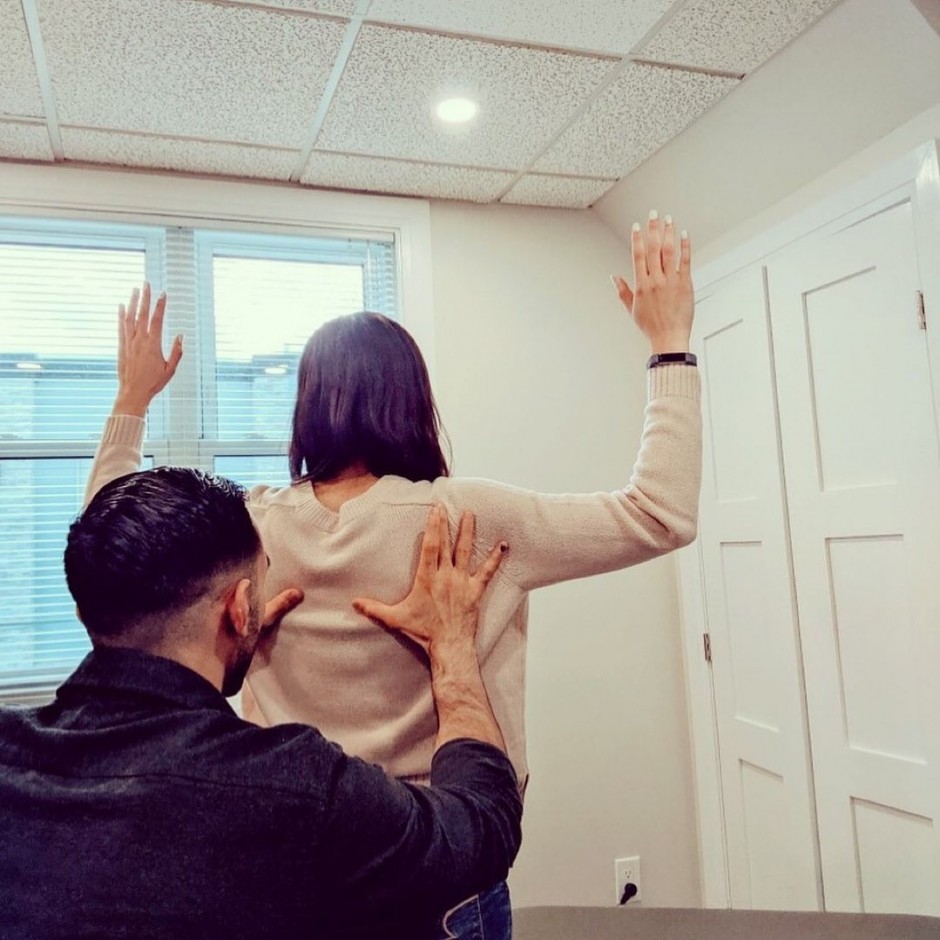
Shoulder Injuries
The shoulder joint is one of the most mobile joints in the body, and is susceptible to many types of injuries. The shoulder is the main structural connection between the upper limb and our body. Consisting of the scapula (shoulder blade), humerus (upper arm) and clavicle (collar bone), the shoulder is the most mobile joint in the body, and is easily injured through sport, work or daily wear and tear.
Primary Function of the Shoulder
The key function of the shoulder is to provide and allow movement of the upper limb. However, as it remains the only structural connection between the arm and torso, it is also largely responsible for the strength and stability of the upper limb.
Due to the mobility it allows, the shoulder is also arguably the least stable joint of the body, with very small bone-on-bone contact area, the labrum and several ligaments to prevent excess movement. Muscles therefore aid in strengthening the joint, as well as providing movement.
The tendons of the rotator cuff muscles wrap around the joint and create a kind of ‘capsule’ of their own, which increases stability and helps prevent injury. With the limited support the muscles and other structures provide, the shoulder is a common injury in sports, when working and can be privy to degenerative changes or injuries as we age.
Shoulder Anatomy, Injuries & Symptoms
With the large mobility of the joint, and its importance in arm or body movements, the shoulder is one of the most consistently injured body parts. Primarily injured through a breakdown of soft tissue, main injuries include rotator cuff strain, dislocations, and arthrosis.
Complex in its structure, the shoulder is made up primarily of the scapula, humerus, clavicle, a range of ligaments and a vast array of muscle attachments. The shoulder complex is made up of three separate joints, that between the sternum and clavicle (sternoclavicular joint), a second between the clavicle and scapula (acromiclavicular joint) and the third between the humerus and glenoid cavity of the scapula (glenohumeral joint). These joints help provide the full range of movement to the arm, however the glenohumeral joint is the base of most movements.
Ligament Injuries
Ligament injuries are quite common in the shoulder. Often caused through falls, repetitive strain or contact sports, these injuries can greatly impede function, limit mobility and stability, and lead to a range of further complications.
The ligaments most often injured are those stabilizing the AC joint. This is where the lateral edge of the clavicle and the acromion of the scapula meet. It is easily identified as the ‘point’ of the shoulder, slightly protruding near the outside of the shoulder where it can be felt and seen.
The joint is supported by a joint capsule and further by the acromioclavicular and coracoclavicular (trapezoid and coracoid) ligaments. Injury will often occur when a force is applied directly to the point of the shoulder, such as a tackle if rugby or a fall, but can also occur from a fall onto an outstretched arm.
Labrum Tears
Because the shoulder is a shallow joint, it has great mobility with reduced stability. The ligaments and rotator cuff help to increase stability; however, the glenoid labrum is one of the most important structures of the joint, increasing the surface area and depth of the joint, therefore greatly improving stability.
The labrum is a small fibrocartilaginous tissue which provides a rim to the glenoid cavity, increasing stability and providing attachment for several ligaments.
Injury to the labrum most often occurs due to traumatic force applied to the joint or from repetitive strain from overhead or throwing activities. Common mechanisms of injury include, fall onto an outstretched arm, direct trauma to the shoulder, fast or heavy movements of the arms over shoulder height and shoulder dislocations. These injuries are common in athletes who do a lot of activity above shoulder or head height, such as weightlifting or throwing events.
Rotator Cuff Injuries
The rotator cuff is a term used to describe a group of muscles which act to stabilize the shoulder. The rotator cuff muscles cross the shoulder joint to act as a compressive cuff to bring the shoulder joint into contact whenever the shoulder is moving. The four muscles which make up the rotator cuff are the supraspinatus, infraspinatus, subscapularis and teres minor.
A rotator cuff tear will occur through two main mechanisms. The first is an acute traumatic event. This will occur when the rotator cuff muscles and tendons are stressed beyond their ability to resist, whether through lifting a heavy object awkwardly or falling on an arm, these injuries can often be coupled with other injuries such as dislocation or fractures within the shoulder. The second mechanism for rotator cuff tear is repetitive microtrauma injuries. Repetitive microtrauma can occur by regular stress being placed on the muscles without granting them time to fully recover, or a decreased ability to repair tendons as we age.
How can treatment help my shoulder?
Treatment establishes a rehabilitation program that will allow you to execute full recovery goals in a timely manner to get you back to health as soon as possible. Treatment may consist of:
- Manual therapy (soft tissue massage and trigger point treatment)
- Joint mobilization
- Taping
- Evidence informed exercise
- Acupuncture or IMS / dry needling
- Work or activity modification advice
- Coaching regarding gradual return to activity
Shoulder injuries require a detailed and thorough assessment. If you are interested in having your shoulder assessed at Physiohaus, give our clinic a call at 519-204-4445 to book a 1 hour assessment with our experienced clinical team.